Stop Treating Your Website Like a Marketing Expense
Marketing is temporary. Assets endure. Learn why the most valuable companies manage their digital presence as a business asset that compounds in value over time.
If I were acquiring a business today, one of the first things I'd want to understand wouldn't be its marketing strategy. It would be its digital assets.
Not because marketing isn't important.
Because marketing is temporary. Assets endure.
A marketing campaign ends. A paid advertisement stops the moment the budget runs out. A trade show lasts a few days. An email campaign finishes after it's sent.
But a well-managed digital asset keeps creating value long after the work has been completed.
That's a completely different economic model. And I think too many businesses miss it.
Most Companies Invest in Their Website Like an Expense
One thing I've noticed is that businesses usually budget for websites the same way they budget for office furniture.
That's how expenses behave. Assets don't.
Imagine buying a commercial building and then ignoring it for the next five years. No improvements. No modernization. No optimization. No effort to increase its value.
Most business owners would immediately recognize that as poor asset management.
Yet that's remarkably similar to how many companies manage the most visited representation of their business.
The website launches. Attention disappears. Then, three or four years later, leadership concludes it's time for another redesign. Not because the previous investment stopped working overnight. Because nobody was intentionally increasing its value between those redesign cycles.
Expense Thinking vs Asset Thinking
- One-time project budget
- Success measured by launch
- Value depreciates after launch
- Redesign every 3-4 years
- Cost center on the P&L
- Asks: "How much will it cost?"
- Continuous investment strategy
- Success measured by contribution
- Value appreciates over time
- Continuous evolution
- Value creator on the balance sheet
- Asks: "How much value will it create?"
Enterprise Value Isn't Created Only Through Revenue
When investors evaluate companies, they don't simply look at revenue. They evaluate assets. Processes. Brand equity. Customer retention. Intellectual property. Operational maturity. Recurring advantages.
They're trying to answer one question.
"What makes this business more valuable tomorrow than it is today?"
I've started asking exactly the same question about digital presence.
Those are asset questions. Not marketing questions.
And I believe businesses that start asking them will make much better long-term investments.
Every Great Business Quietly Builds an Asset Portfolio
One mental model has become increasingly useful to me. Every successful company owns two kinds of assets. Visible assets. And invisible assets.
Visible assets are easy to recognize. Buildings. Equipment. Cash. Technology.
Invisible assets are often more valuable. Reputation. Customer trust. Brand authority. Operational knowledge. Decision-making systems.
A company's website sits somewhere in the middle. It's visible. But the value it creates is largely invisible.
None of those improvements happen because a website exists. They happen because the website has become an appreciating business asset instead of remaining a completed marketing project.
The difference sounds subtle.
Financially, it isn't.
The Businesses That Win Think Beyond Campaigns
At Selvinx, we've gradually become less interested in individual campaigns and much more interested in cumulative advantage.
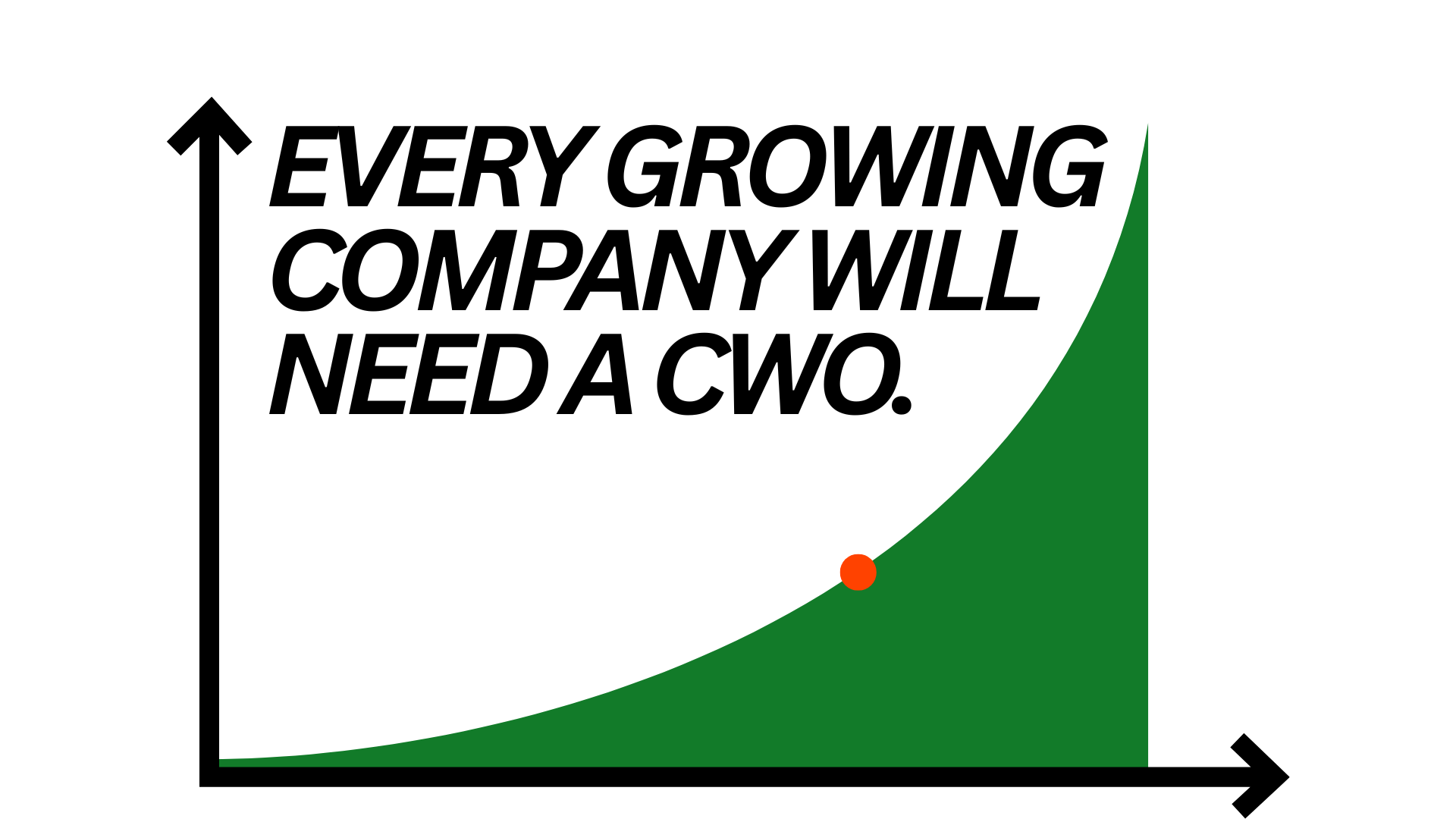
Campaigns create spikes. Assets create momentum.
Campaigns solve quarterly objectives. Assets influence multi-year outcomes.
Campaigns are important. But businesses built entirely around campaigns often find themselves restarting growth every quarter.
Businesses built around assets experience something different. Every improvement strengthens the next. Every customer interaction teaches the business something. Every strategic decision increases future leverage.
Campaign Spikes vs Asset Momentum
That's how compounding actually works. It's not dramatic. It's incremental. And that's exactly why so many businesses overlook it.
Because the strongest competitive advantages rarely arrive all at once. They emerge from years of consistently increasing the value of assets that competitors continue treating like projects.
That's where I believe websites belong. Not inside the marketing budget. Inside the portfolio of business assets leadership is responsible for growing.
Once I started looking at websites through that lens, something interesting happened. The conversations I had with business owners completely changed.
Instead of asking, "How much will a new website cost?" — we started asking, "How much enterprise value could a better digital asset create?"
Those are two entirely different discussions. One focuses on expenditure. The other focuses on appreciation.
That's the difference between managing a project and managing an asset.
Business Assets Are Measured by Return, Not Completion
One thing I think our industry gets wrong is celebrating launches. A website launches. A rebrand launches. A new platform launches. Everyone congratulates each other. Then the project is considered complete.
But if you bought an apartment building, would you celebrate simply because construction finished?
Of course not. Construction is the beginning of the investment — not the end of it.
The same should be true for digital assets.
The day your website goes live isn't the day its job is finished. It's the day it begins proving its value.
Those are the questions that determine whether your website is appreciating as an asset.
Completion means very little. Contribution means everything.
Why Most Websites Never Reach Their Real Value
I've become convinced that the average business only extracts a fraction of the value its website is capable of creating.
Not because the design is poor. Not because the technology is outdated.
Because the website is expected to exist rather than evolve.
Think about your best employee. If they learned nothing new for five years, their value to the business would eventually decline. The same is true for operational systems. The same is true for products. The same is true for customer relationships.
Growth requires continuous refinement. Your digital presence is no different.
The Path from Project to Appreciating Asset
Every customer objection should improve your messaging. Every sales conversation should strengthen your positioning. Every new service should make your website more useful. Every market insight should make your digital assets more intelligent than they were before.
That's how assets appreciate.
Not through dramatic reinvention. Through consistent evolution.
Why We Think Leadership Should Own the Outcome
At Selvinx, we've gradually moved away from asking, "What website does this business need?"
Instead, we ask, "What kind of business is this company trying to become?"
The answer changes everything.
Because the website shouldn't simply reflect where a company is today. It should support where the company intends to be tomorrow.
That requires long-term thinking. It requires prioritization. It requires understanding how marketing, sales, operations, customer experience, technology, and leadership influence one another.
Most importantly, it requires accountability.
Not accountability for publishing another page. Accountability for increasing the value of one of the company's most influential business assets.
That's a leadership responsibility. Not because leadership should make every digital decision. But because someone must own the direction those decisions collectively create.
Without direction, execution naturally becomes fragmented. With direction, even small improvements begin compounding into meaningful business advantages.
The Businesses That Create Enterprise Value Think Differently
When I study businesses that continue strengthening year after year, one pattern consistently stands out.
They don't just build things. They build assets that continue producing value long after the original work is complete.
That's true for their teams. Their intellectual property. Their customer relationships. Their operational systems. Their brand.
I believe the same principle applies to their digital presence.
The website isn't another item on a marketing checklist. It's part of the company's long-term value creation engine.
That's what appreciating assets do. They reduce the effort required to create future value.
Looking ahead, I don't think the businesses that outperform will necessarily have the most beautiful websites. Or the most sophisticated technology. Or the biggest marketing budgets.
I think they'll be the businesses that understand a much simpler principle.
Digital assets deserve to be managed with the same discipline, intentionality, and long-term thinking as every other valuable asset inside the company.
Because once you begin treating your website like a business asset instead of a marketing project, your priorities change. Your investment decisions change. Your expectations change.
And over time, the business itself changes.
Not because you built a better website.
Because you built a more valuable company.

Ready to Turn Your Website Into an Appreciating Asset?
Stop spending. Start investing. Book a Website Performance Assessment.
Book Your Assessment →