The Most Expensive Person on Your Team Might Be the One Who Doesn't Exist
How invisible ownership gaps quietly drain value from your business every single day — and why nobody notices until it's too late.
One of the questions I ask myself whenever I look at a growing business is surprisingly simple. "What is this company losing that it doesn't even know it's losing?"
Most businesses are very good at measuring visible costs. Payroll. Software. Advertising. Office space. Professional services.
If an invoice arrives, it gets recorded. If revenue drops, someone investigates. If expenses increase, leadership notices.
But some of the most expensive problems in business never generate an invoice.
They quietly reduce momentum.
I've come to believe that nobody owning a company's digital presence is one of those problems. Not because the website stops working. Because the business slowly stops extracting the value it should from one of its most important assets.
Businesses Rarely Lose Because of One Big Mistake
One thing I've noticed over the years is that business decline almost never happens dramatically. It happens gradually.
None of those moments are catastrophic. They're ordinary.
That's exactly why they're dangerous.
Leadership rarely notices them. Each one seems too small to deserve attention. But businesses aren't built through one decision. They're built through thousands of them.
The same is true in reverse. Businesses rarely lose momentum because of one massive failure. They lose it through thousands of tiny moments where value quietly escapes the system.
The Asset That Never Appears on the Balance Sheet
If you own commercial property, you naturally think about increasing its value. If you own machinery, you think about maximizing its output. If you own intellectual property, you protect it.
Yet one of the most valuable assets inside many modern businesses is treated almost accidentally.
Their digital presence.
Not the website alone. The entire environment customers experience before they ever become customers.
Together, they influence almost every important business outcome. The strange thing is that very few companies manage these assets the way they manage every other valuable asset.
Not because they don't care. Because ownership was never clearly established.
When ownership is unclear, value doesn't disappear immediately. It leaks. Slowly. Quietly. Almost invisibly.
Why Most Businesses Don't Notice the Leak
One of the biggest challenges with ownership problems is that they're distributed. Marketing experiences them differently than sales. Sales experiences them differently than operations. Leadership experiences them differently than customer support.
Each department sees a symptom. Almost nobody sees the entire system.
How the Leak Manifests Across Your Organization
That's why businesses often solve problems locally instead of strategically. Marketing requests another landing page. Sales asks for another case study. Support requests another FAQ section. Operations introduce another platform.
Every solution addresses one symptom. Very few address the underlying cause.
That's why complexity grows faster than clarity.
Not because people make poor decisions. Because every decision is being made from a different point of view. Eventually, the business reaches a stage where everyone is improving something. Yet very little is improving together.
The Cost Isn't Technical. It's Strategic.
When I hear someone say, "Our website needs work," I rarely think about the website first. I start thinking about the business.
Those questions usually reveal far more than another website audit.
Because websites don't drift away from businesses on their own. They drift because businesses evolve while ownership stays still.
And when ownership stays still, complexity quietly takes over.
That, in my experience, is where the real cost begins.
Once I started seeing businesses through that lens, I realized something that completely changed the way I approach digital strategy.
The greatest opportunity is rarely found in building something new. More often, it's hidden inside something that's already there.
Growth has a habit of rewarding addition. Leadership has a responsibility to recognize when subtraction creates more value.
Complexity Doesn't Scale. Clarity Does.
One pattern we've observed at Selvinx is that businesses rarely become harder to manage because they're growing. They become harder to manage because every stage of growth introduces new decisions, new systems, and new priorities.
Very few companies intentionally create complexity. It simply accumulates.
The Silent Growth of Digital Complexity
A new service is launched. A new platform is introduced. A new campaign requires another landing page. A new employee solves a problem differently from the last one.
Every decision makes sense in isolation. Collectively, they begin pulling the business in different directions.
The challenge isn't that people stop doing good work. It's that nobody is continuously asking whether all of that good work is strengthening the same objective.
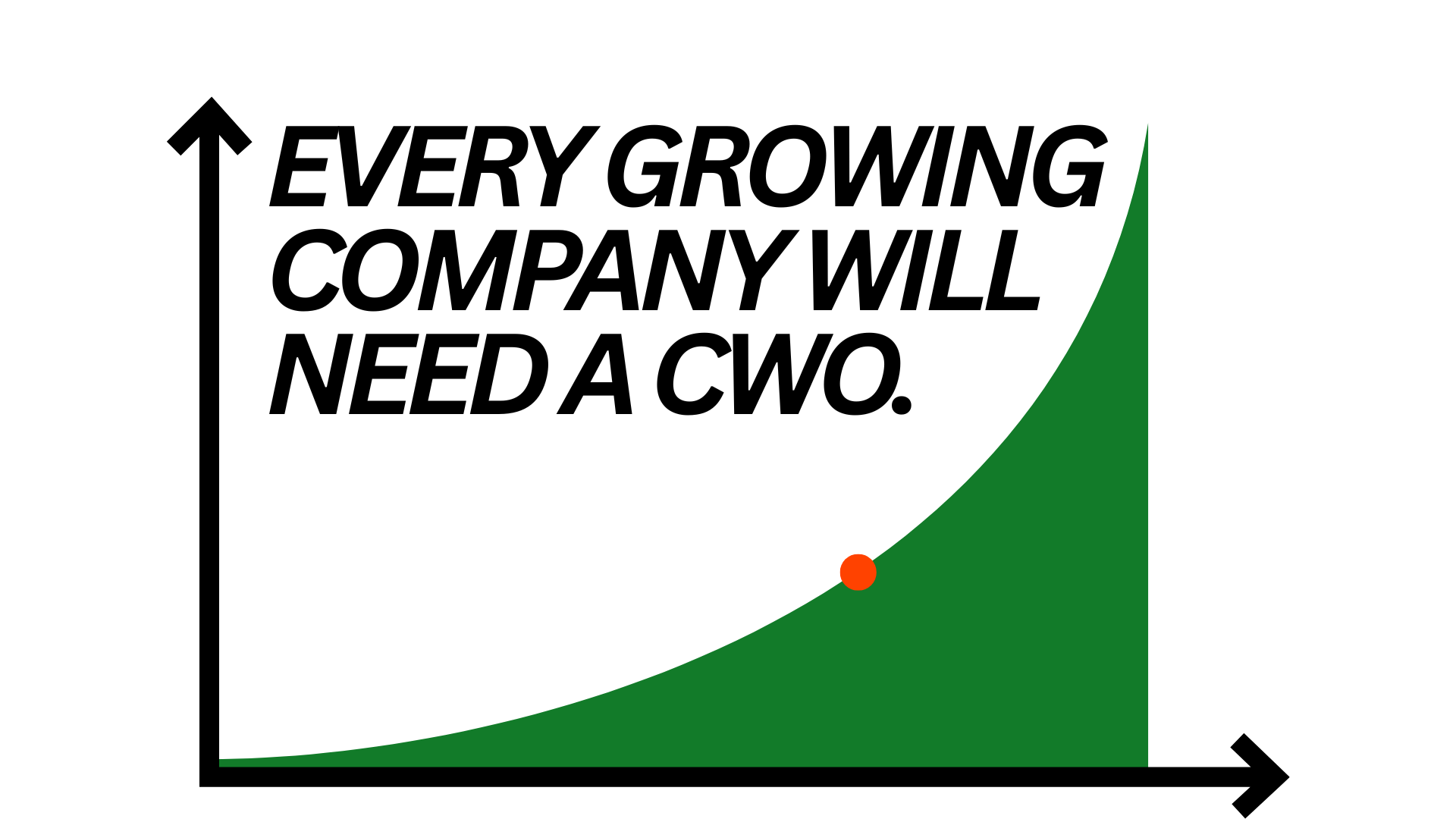
That's where ownership becomes one of the highest-leverage responsibilities inside a business.
Not because it replaces specialists. Because it aligns them.
Every Asset Either Appreciates or Depreciates
One idea I keep coming back to is that every business asset is moving in one of two directions. It's either becoming more valuable. Or less valuable. Very little stays still.
Your reputation works that way. Your customer relationships work that way. Your team works that way. Your systems work that way.
I believe your digital presence works exactly the same way.
How Digital Assets Move Over Time
Every month it either becomes a stronger representation of the business... Or it slowly falls behind it.
The difficult part is that depreciation isn't always obvious. The website still loads. Customers still submit forms. Marketing still generates leads. Revenue may even continue growing.
But beneath those surface-level indicators, the gap between the business and its digital presence quietly widens.
Eventually that gap begins slowing everything else down. Not because the website failed. Because the business outgrew the way it was being managed.
The Responsibility We Chose to Build Around
As our thinking evolved, so did the way we viewed our role. We stopped measuring success by the number of pages we launched or features we shipped.
Those things still matter. But they're outputs. We became much more interested in outcomes.
Those became the questions that mattered most. They still do.
Because at the end of the day, businesses don't remember who made the most updates. They remember who made the business easier to grow.
That's the responsibility we've chosen to build Selvinx around.
Not simply helping companies improve their websites. Helping them protect, strengthen, and continuously increase the value of one of their most important business assets.
Looking Ahead
I think the next decade will fundamentally change how businesses think about digital. Building websites will become faster. Design tools will become smarter. Artificial intelligence will make execution more accessible than ever before.
The advantage won't come from being able to build. It will come from knowing what deserves to be built.
That's a responsibility technology can't automate. It requires judgment. Context. Long-term thinking. Ownership.
Looking back, I don't think the hidden cost of nobody owning your website is measured by lost traffic, lower conversion rates, or outdated design. Those are simply the visible symptoms.
The real cost is much quieter. It's the gradual loss of alignment between where the business is going and what its digital presence is helping it become.
And if there's one thing I've learned over the years, it's this:
Businesses don't create exceptional digital assets by accident. They create them by making ownership intentional.
That's where long-term advantage is built. Not through one big redesign. But through thousands of thoughtful decisions that, over time, make the business stronger than it was the day before.

Find Out What Your Business Is Quietly Losing.
Book a Website Performance Assessment. No pressure. No pitch. Just clarity on where value is escaping your business.
Book Your Assessment →