Marketing Can Get You Clicks. Digital Ownership Builds Companies.
The next competitive advantage isn't better marketing. It's stewarding what you already own — and making every digital decision compound in value over time.
If you study the last twenty years of digital business, you'll notice something interesting. Nearly every major investment has been made around one objective: Getting attention.
Search engines became an industry. Social media became an industry. Paid advertising became an industry. Content marketing became an industry. Marketing automation became an industry.
Collectively, businesses now spend hundreds of billions of dollars every year on digital advertising and marketing because attention has become one of the world's most valuable commodities. At the same time, customer acquisition costs have continued rising across many industries as competition for that attention intensifies.
That's not a marketing failure.
It's simply what happens when everyone competes for the same resource.
The question we've become interested in at Selvinx isn't, "How do we help businesses get more attention?"
It's something different.
"What happens after they get it?"
Because that's where we believe the next competitive advantage is emerging.
Marketing Is Optimized for Acquisition. Businesses Are Built Through Accumulation.
One observation has fundamentally changed how I think about digital strategy.
Marketing is designed to create momentum. Ownership is designed to preserve and multiply it.
Those are not the same responsibility.
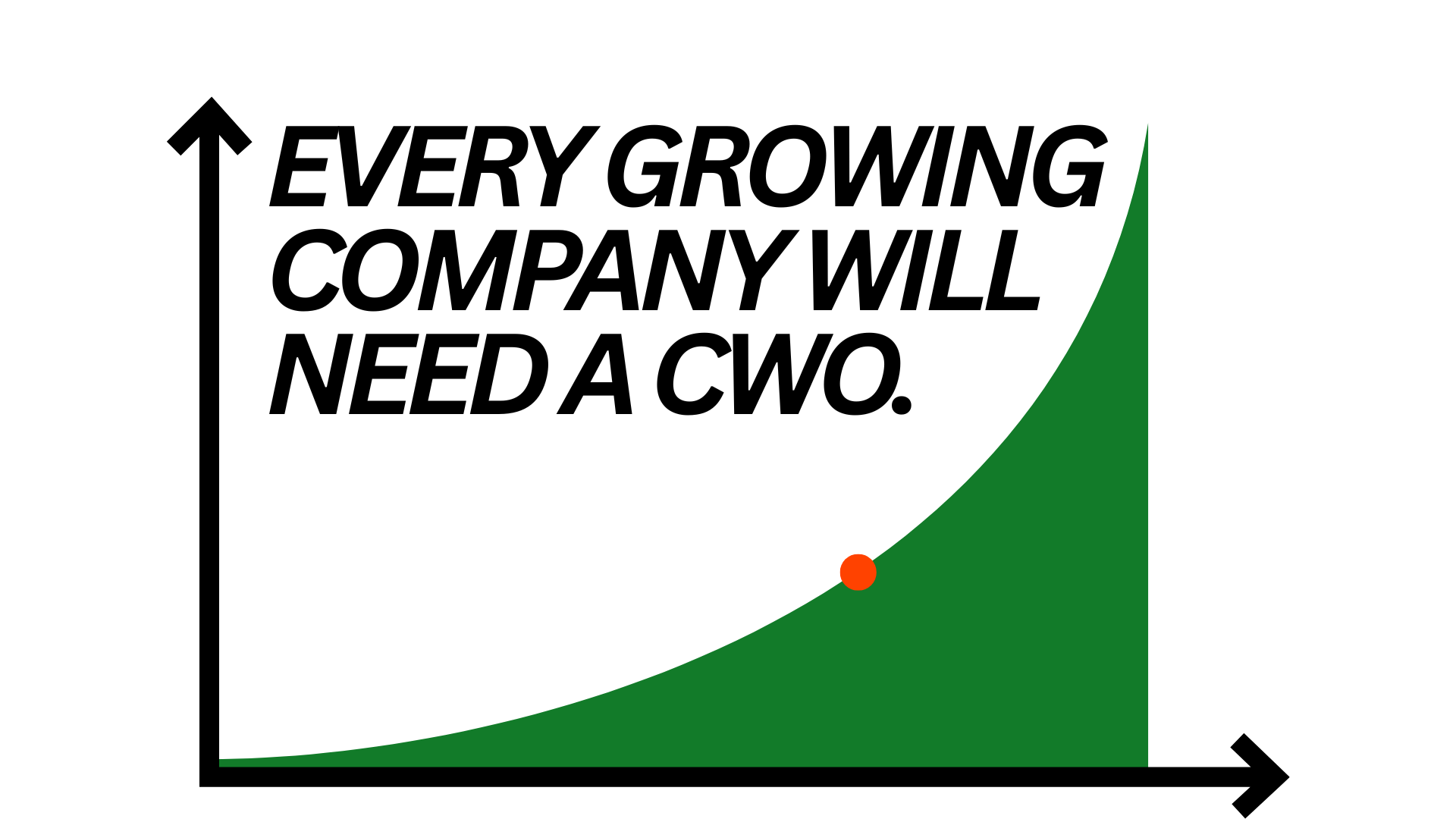
A marketing campaign might generate ten thousand visitors this month. Digital Ownership determines whether those ten thousand visitors make the business permanently stronger or whether next month's campaign has to start from zero again.
That's an enormous difference.
One creates transactions. The other creates compounding assets.
Acquisition vs Accumulation
- Generates attention and traffic
- Optimized for short-term campaigns
- Success measured in clicks and leads
- Restarts from zero each month
- Answers: "How do we get more?"
- Converts attention into permanent assets
- Optimized for long-term business value
- Success measured in enterprise strength
- Compounds month over month
- Answers: "How do we increase what we own?"
The businesses I admire the most don't simply generate demand. They accumulate advantages.
That's not marketing. That's organizational learning.
And your digital presence is where most of that learning should ultimately live.
The Internet Has Quietly Become Business Infrastructure
One statistic continues standing out to me.
Research consistently shows that the vast majority of B2B buyers complete a significant portion of their buying journey before ever speaking to a salesperson. Multiple industry studies place that self-directed research at roughly 70% of the buying process, depending on the industry and buying committee involved.
Think about what that actually means.
Long before your team ever joins the conversation.
If that's true — and the evidence increasingly suggests it is — then your digital presence isn't supporting your sales process. It has become part of your sales process.
The same applies to hiring. Partnerships. Investment. Reputation. Customer success.
Your digital presence has quietly become infrastructure.
Yet many businesses still govern it like a marketing campaign.
That's a mismatch.
Infrastructure isn't optimized quarterly. It's stewarded continuously.
Why We Believe the Next Competitive Advantage Isn't Better Marketing
Over the last decade, building websites has become easier. Launching online businesses has become easier. Creating content has become easier. Artificial intelligence is making execution dramatically cheaper than ever before.
That's fantastic news.
But it also changes where competitive advantage lives.
The differentiator becomes judgment.
That's why we believe Digital Ownership is becoming more strategically important every year.
Not because marketing matters less.
Because everything that comes after marketing matters more.
One of the mistakes I think many businesses are about to make over the next decade is believing that AI will solve their digital problems.
It won't. It will solve many execution problems. There's an important difference.
Those capabilities are remarkable. But they all answer the same question: "How do we execute this faster?"
They don't answer a much harder question.
"Should we be doing this at all?"
That's still a leadership decision. And leadership is ultimately what Digital Ownership is about.
Digital Ownership Is an Executive Responsibility
One thing we've observed while working with growing businesses is that every mature business function eventually gains ownership.
How Business Disciplines Gain Ownership
Finance has financial leadership. Operations has operational leadership. Technology has technical leadership. People have HR leadership.
Each function eventually moves beyond execution because someone has to make long-term decisions.
Digital is beginning to reach that same point.
The challenge is that many organizations still distribute digital responsibility across multiple departments.
Each team performs its role well. Yet very few organizations have someone asking a different question.
How do all of these pieces create one cohesive digital business?
That's the ownership gap.
It's not a resource gap. It's not a technology gap.
It's a governance gap.
The Businesses That Compound Think Like Asset Managers
One mental model has influenced my thinking more than almost anything else.
Great investors don't constantly ask, "What can I buy next?"
They ask, "How do I increase the value of what I already own?"
I think businesses should approach digital exactly the same way.
Your Business Already Owns These Assets
The question isn't how many digital assets you can create.
The question is whether the assets you already own are becoming more valuable every year.
Because that's where sustainable competitive advantage comes from.
Not volume. Value.
At Selvinx, that's one of the principles that shapes every recommendation we make. We're far less interested in helping businesses accumulate more digital assets than we are in helping them increase the return on the assets they've already built.
Sometimes that means creating something new. Just as often, it means removing unnecessary complexity. Strengthening what already exists. Or deciding not to build something at all.
Those decisions rarely generate headlines.
But over five or ten years, they're often the decisions that separate exceptional businesses from average ones.
Why We Believe Digital Ownership Is Becoming a Business Discipline
When new business disciplines emerge, they rarely begin with a title. They begin with a pattern.
Finance existed long before the modern CFO. Operations existed long before the COO became common. Information technology evolved long before organizations consistently established CIOs.
The responsibility appeared first. The leadership role followed.
We believe Digital Ownership is following a similar path.
Businesses have become increasingly dependent on their digital ecosystems. But the governance of those ecosystems hasn't evolved at the same pace.
The result is predictable.
That's why we don't think Digital Ownership belongs inside marketing. Or IT. Or web development.
It's a cross-functional business discipline focused on one objective: Ensuring that every digital decision contributes to the long-term strength of the business.
That's a responsibility. Not a service.
Looking Forward
If I had to make one prediction about the next decade, it would be this.
The businesses that create the most value won't necessarily be the ones with the biggest marketing budgets. Or the newest websites. Or the largest technology stacks.
They'll be the businesses that become exceptional stewards of their digital assets.
They'll understand that every customer interaction, every system, every piece of content, every workflow, and every digital decision is either increasing enterprise value or quietly reducing it.
That's a fundamentally different way of thinking.
It's also why we believe Digital Ownership isn't a trend. It's the natural evolution of digital business.
Marketing will always matter. Technology will always matter. Design will always matter.
But as those capabilities become increasingly accessible, the ability to connect them into one intentional, continuously improving business system will matter even more.
That's the future we're building toward at Selvinx.
Not because we believe businesses need more digital.
Because we believe they deserve to get far more value from the digital assets they already own.
And in our experience, that doesn't happen by accident.
It happens when ownership becomes as intentional as growth itself.

Ready to Get More Value From What You Already Own?
Stop chasing clicks. Start compounding value. Book a complimentary Digital Ownership Strategy Call.
Book Your Strategy Call →