Website Management Keeps You Online. Digital Ownership Helps You Grow.
The distinction between maintaining a website and owning your digital presence — and why it matters more than you think for growing businesses.
If you'd asked me a few years ago what separated a great website from an average one, I probably would've given you a technical answer. Better design. Cleaner code. Faster performance. Better SEO. Higher conversion rates.
At the time, I genuinely believed those were the things that determined whether a website succeeded.
I wasn't wrong.
I just wasn't seeing the complete picture.
The more businesses I worked with, the more I realized something that completely challenged the way I'd been thinking.
Some of the best-designed websites I came across weren't producing exceptional business results. At the same time, I'd find businesses with surprisingly average websites that continued growing year after year.
That didn't make sense.
If execution was everything, the best websites should've consistently produced the best businesses.
They didn't.
Eventually, I stopped studying websites.
I started studying decisions.
The Difference Was Never the Website
When I looked beyond the homepage, I noticed something interesting.
The businesses growing consistently weren't necessarily making better websites. They were making better decisions.
Their digital presence wasn't growing randomly. It was growing intentionally.
Then I'd look at businesses on the other side.
Yet every month felt reactive. Another landing page. Another redesign. Another platform migration. Another tool. Another meeting about why digital still wasn't delivering the impact leadership expected.
The website wasn't broken.
The decision-making around it was.
That's a completely different problem. And it's one that can't be solved by another redesign.
The Moment I Stopped Thinking Like a Designer
I've always enjoyed building things. Whether it was websites, systems, workflows, or brands, I naturally gravitated toward execution.
But after enough client conversations, I started asking fewer questions about pages and more questions about businesses.
Those questions completely changed the way I approached projects.
Because I realized something uncomfortable.
Most businesses weren't lacking people who could execute. They were lacking people who could prioritize.
Execution had become abundant. Direction hadn't.
That's when I started separating two ideas that I had previously treated as the same thing.
Website management keeps a website functioning. Digital ownership ensures the website keeps contributing to the business.
At first glance, they sound almost identical. In practice, they're worlds apart.
Website Management vs Digital Ownership
- Focuses on uptime and maintenance
- Reacts to problems as they appear
- Measures success by tasks completed
- Treats the website as a cost center
- Ends when the contract ends
- Asks: "Is the website working?"
- Focuses on business outcomes and growth
- Anticipates problems before they surface
- Measures success by revenue impact
- Treats the website as a business asset
- Compounds value over time
- Asks: "Is the website creating value?"
Why Businesses Confuse the Two
I don't blame business owners for mixing them together. The industry has spent years packaging everything under the word "website."
Everything sounds like a different version of the same service. But the reality inside growing businesses looks very different.
Maintaining a website doesn't answer questions like:
Those aren't maintenance questions. They're ownership questions.
The bigger the business becomes, the more those questions begin influencing growth itself.
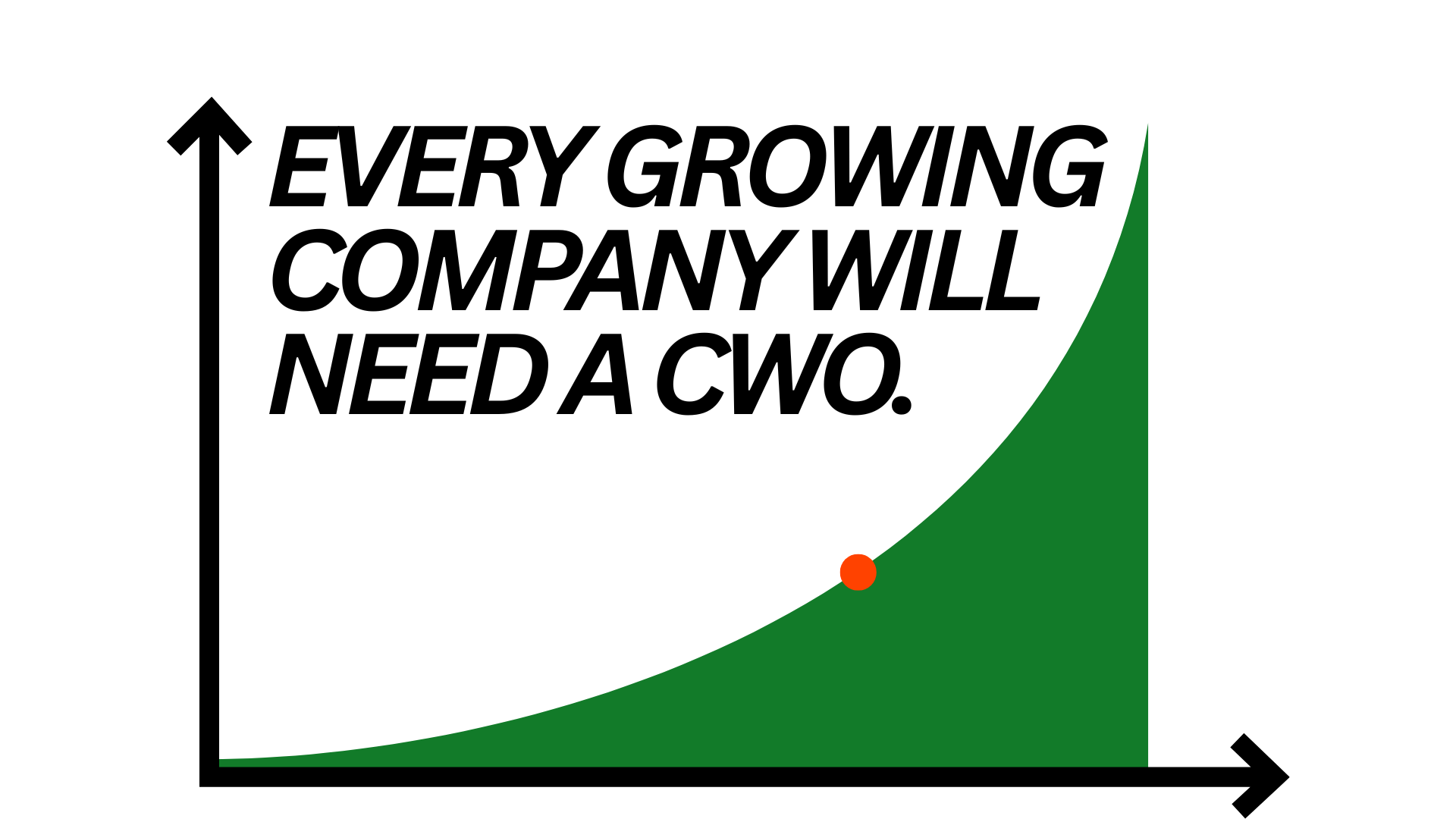
That's why I no longer think businesses outgrow their websites. I think they outgrow managing them as websites.
Eventually, what they're really managing is an entire digital ecosystem. And ecosystems require stewardship, not just maintenance.
How Digital Thinking Evolves as Businesses Grow
That realization became one of the biggest shifts in how we think at Selvinx. It wasn't enough for us to help businesses maintain what they had already built. We wanted to help them continuously increase the value of what they already owned.
That's a fundamentally different responsibility. And it changes everything that comes after it.
Once I understood that distinction, I started seeing it everywhere.
Businesses weren't struggling because they had poor websites. They were struggling because they were asking their websites to solve problems that only ownership could solve.
The more I looked, the more obvious it became.
The website was simply where the consequences of poor ownership became visible.
Ownership Changes the Questions You Ask
One of the biggest differences I've noticed in businesses that continue growing is that they ask fundamentally different questions.
Instead of asking, "What should we build next?" — they ask, "What's preventing our current digital assets from creating more value?"
Instead of asking, "Which platform should we migrate to?" — they ask, "Will migrating actually move the business forward?"
The Questions That Separate Maintenance From Ownership
Instead of chasing activity, they pursue leverage.
That shift sounds subtle. It isn't.
Because every business has limited time. Limited money. Limited attention.
The real challenge isn't deciding what you can build. It's deciding what actually deserves to be built.
I've come to believe that's one of the most valuable responsibilities inside any growing company.
Not making more decisions. Making better ones.
What We Learned at Selvinx
As these ideas became clearer to me, they also began shaping the way we worked as a team.
We found ourselves spending less time talking about deliverables and more time discussing outcomes.
Instead of asking how quickly we could complete a request, we asked whether completing it would genuinely strengthen the business.
Sometimes the answer was yes.
Sometimes the better answer was, "Not yet." Or, "There's a higher-impact opportunity we should solve first."
Those aren't always easy conversations to have. But they're the conversations that create trust.
Because businesses don't need partners who simply say yes to every request. They need partners who are willing to protect the long-term health of the business, even when that means challenging short-term assumptions.
Over time, that became part of our culture.
Every recommendation had to answer one simple question: Does this create more long-term value for the business?
If it didn't, we questioned whether it deserved our client's time, attention, or investment.
That mindset fundamentally changed how we approached every engagement.
The Future Doesn't Need More Websites
One thing I feel increasingly confident about is that the future isn't going to reward businesses simply because they have better websites.
The tools are improving too quickly. Artificial intelligence is making execution faster. Development is becoming more accessible. Design systems are becoming more sophisticated.
Soon, having a technically impressive website won't be much of a competitive advantage. Almost everyone will be able to build one.
What won't become easy is judgment.
Those are human responsibilities. And I believe they'll become even more valuable as technology continues removing barriers to execution.
That's why I don't see Digital Ownership as another service category.
I see it as the next stage in how growing businesses think about their digital presence.
How Value Compounds Over Time
Looking Back
Looking back, I don't think I changed my mind about websites. I changed my understanding of what role they play inside a business.
A website isn't valuable because it's modern. Or because it ranks well. Or because it wins design awards.
It's valuable because of what it enables.
Once I understood that, the distinction between website management and Digital Ownership stopped feeling like a matter of terminology.
It became a matter of philosophy.
One asks how to maintain what's already there.
The other asks how to make it more valuable tomorrow than it is today.
For us, that's the difference that matters. And it's the perspective that continues shaping everything we build at Selvinx.

Ready to Transform Your Digital Presence Into a Strategic Asset?
Stop maintaining. Start owning. Book a complimentary Digital Ownership Strategy Call.
Book Your Strategy Call →